Archive | Patrick Maiani

Archive

Excerpts From a
Life In Music.

These pages hold the seasons: early lessons, late-night sets, quiet teaching hours, bright ideas, and the moments that shaped the music in between. Some of what you’ll find is polished.

Some of it is raw. All of it is real.

For Patrick’s children, it’s a time capsule — proof that a life can change shape and still keep its center.

For listeners and students, it’s an invitation into a lifelong practice: disciplined, curious, and deeply human.”

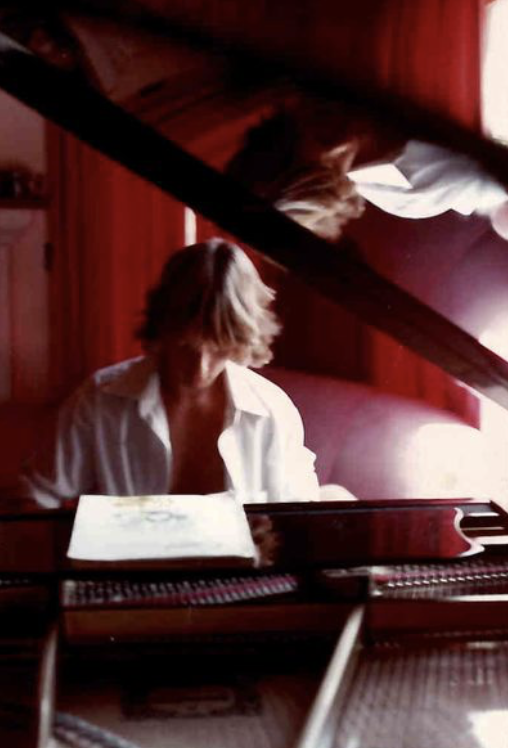
Patrick John Maiani began playing piano at five years old in 1969, after his older brothers broke his drumsticks. If he played Grandma’s beloved grand piano, he figured, no one would dare destroy that. The strategy worked — and the piano became his home base.

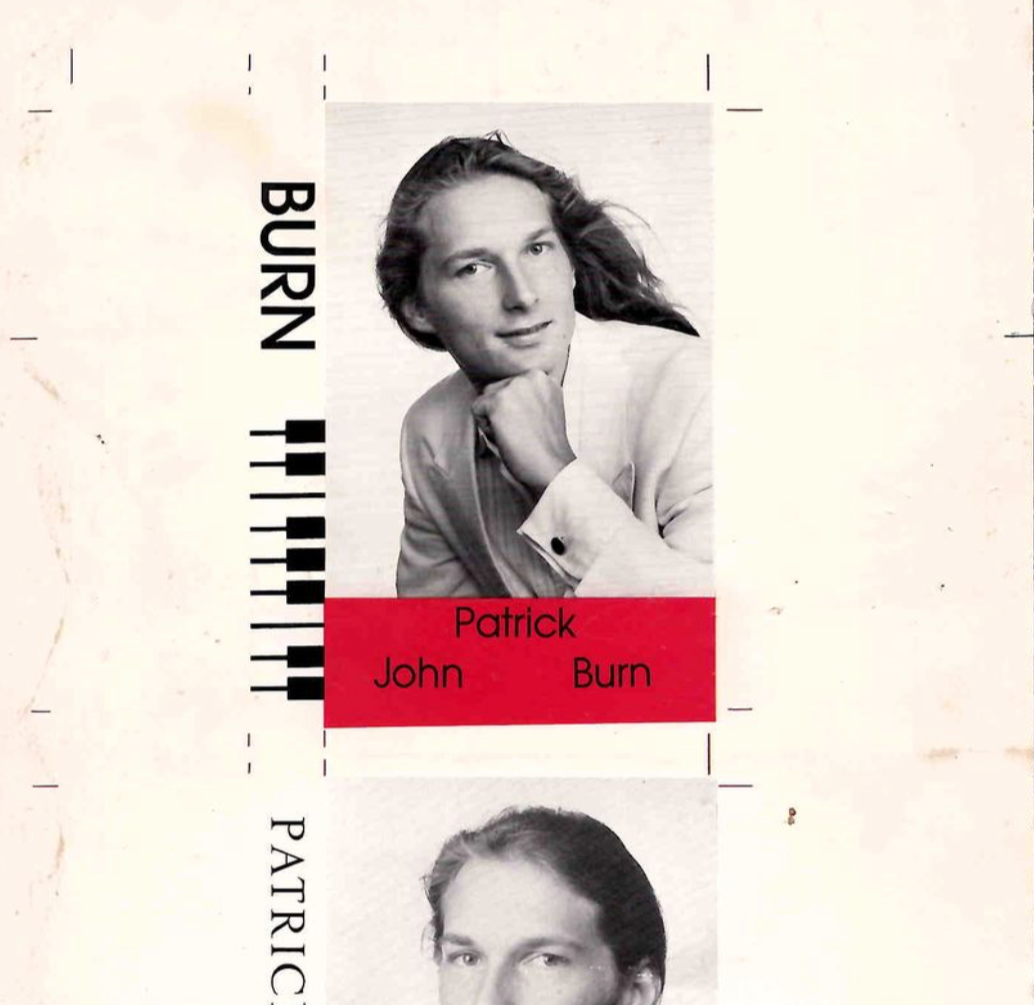
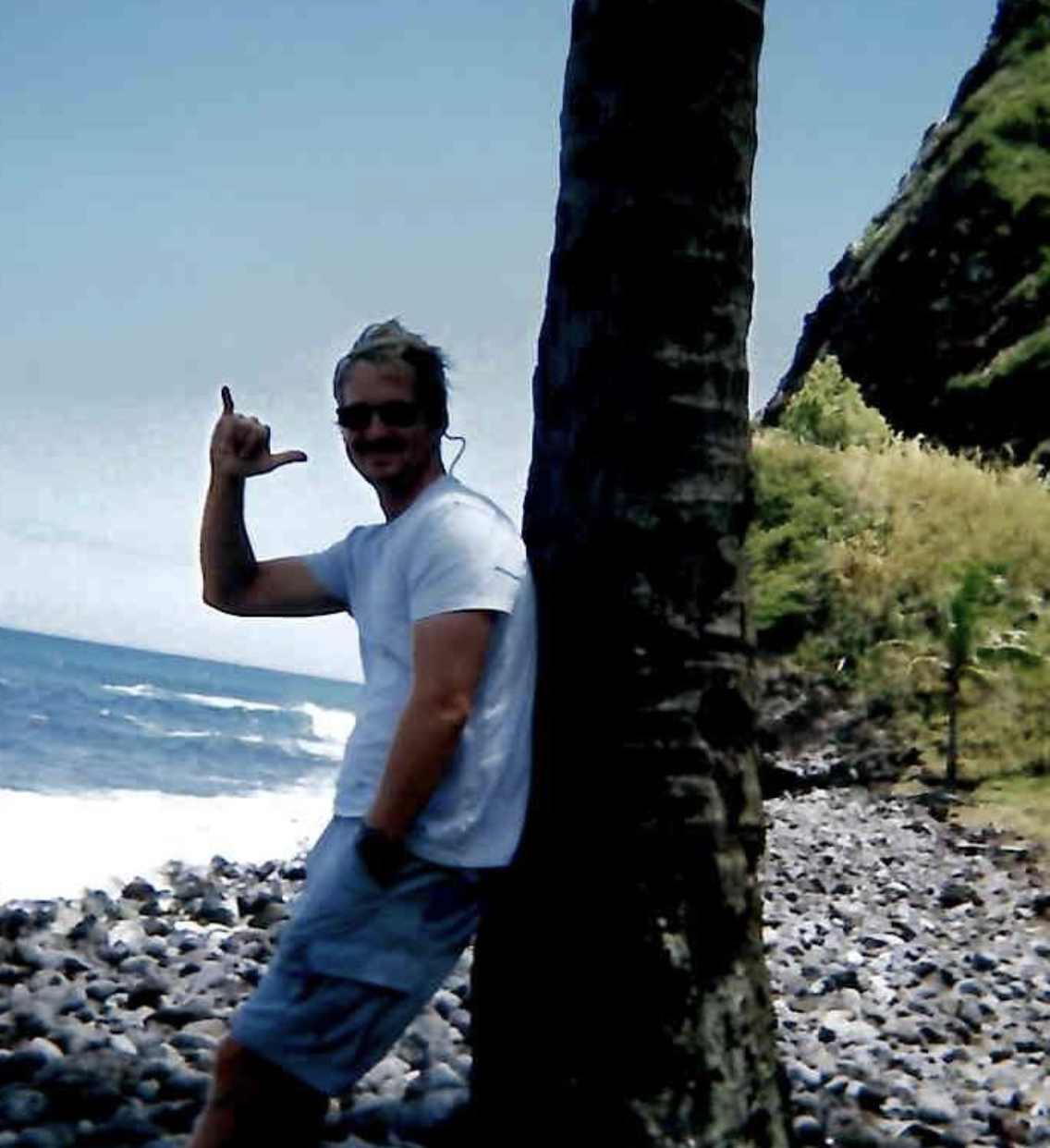
He went on to study under Irma Starr, a third-generation student of Frédéric Chopin, grounding his musicianship in classical discipline and expressive nuance. Music ran through the Maiani family: his father, renowned opera tenor Dario Darnell; his mother, Rosemary, a professional dancer and model; and brothers who sang and played guitar. Patrick grew up in Montecito with salt air in his lungs — surfing Rincon and skateboarding coastal streets — and that California rhythm never left his playing.

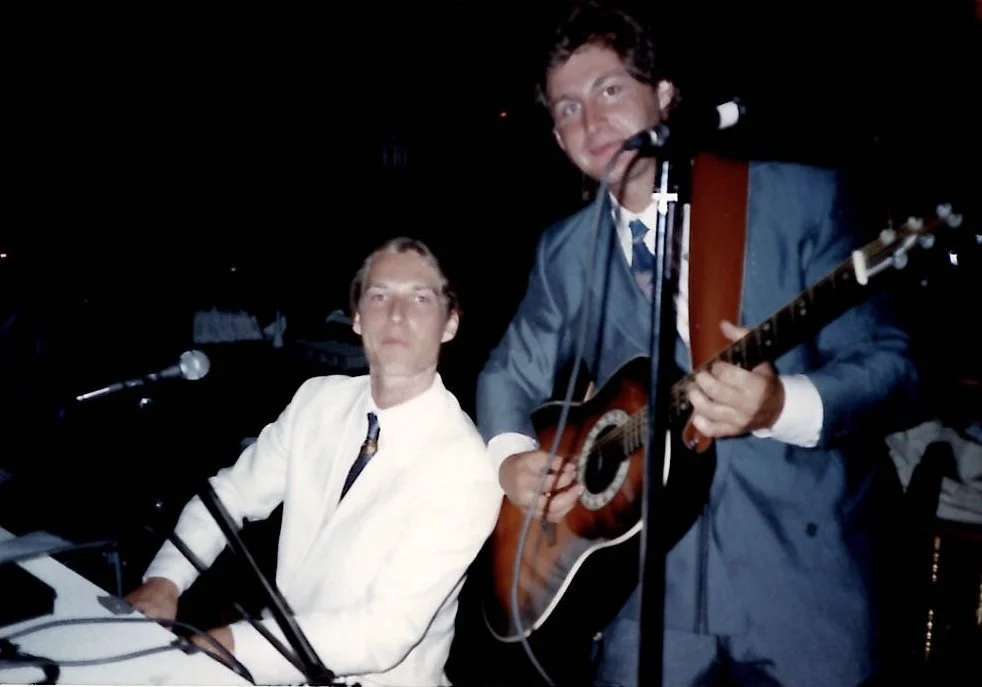
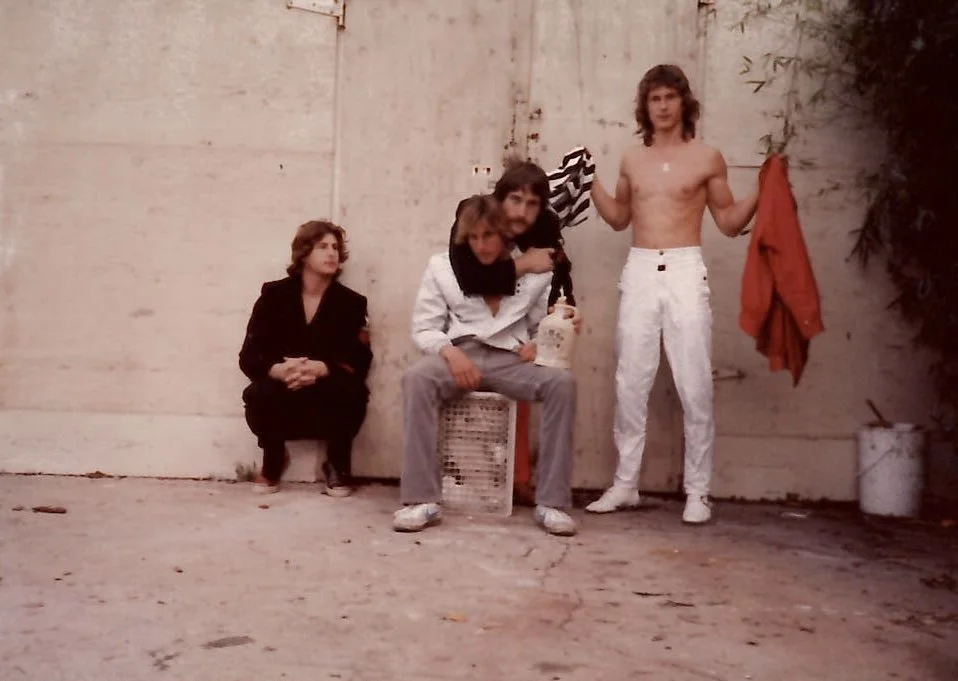
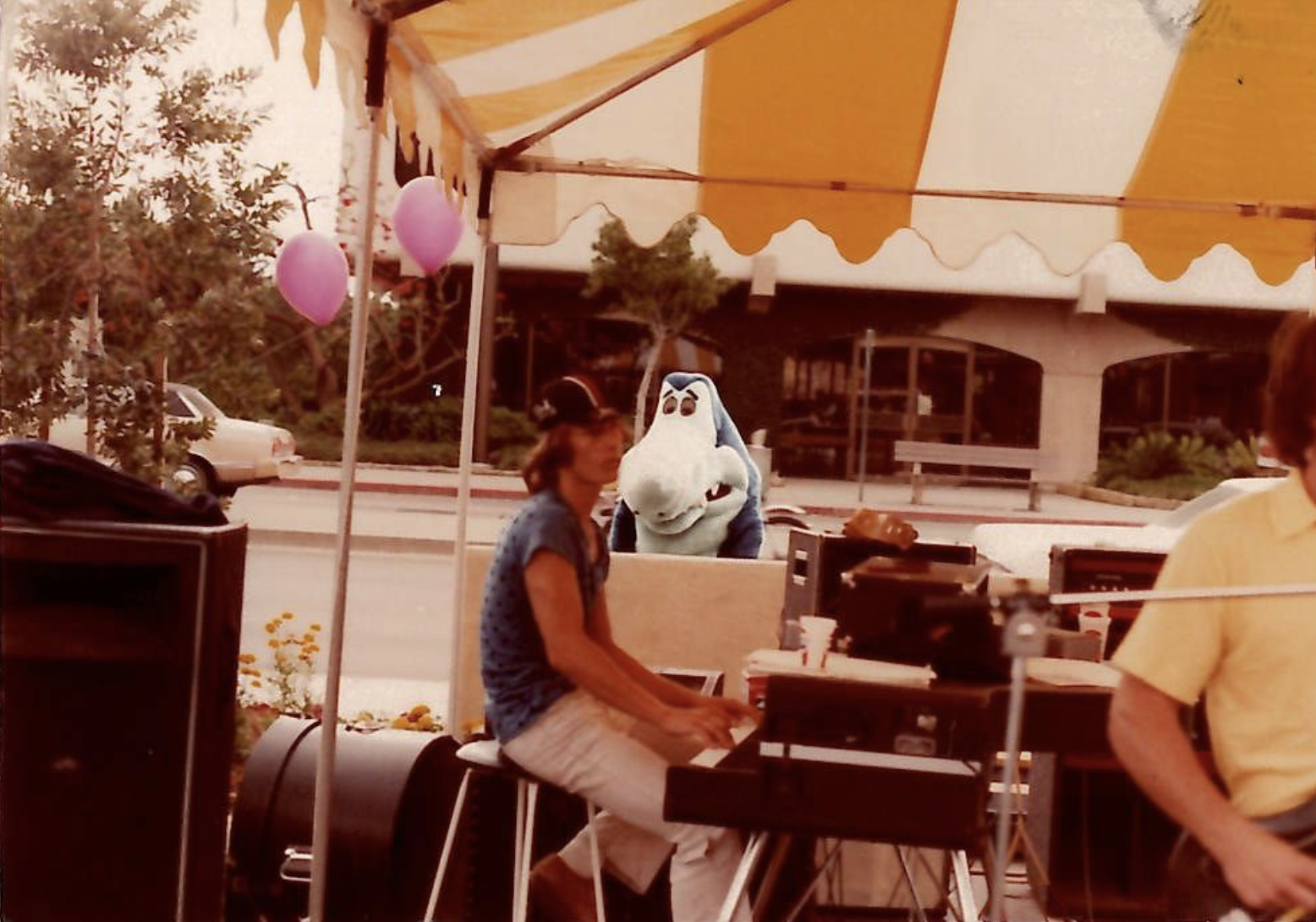
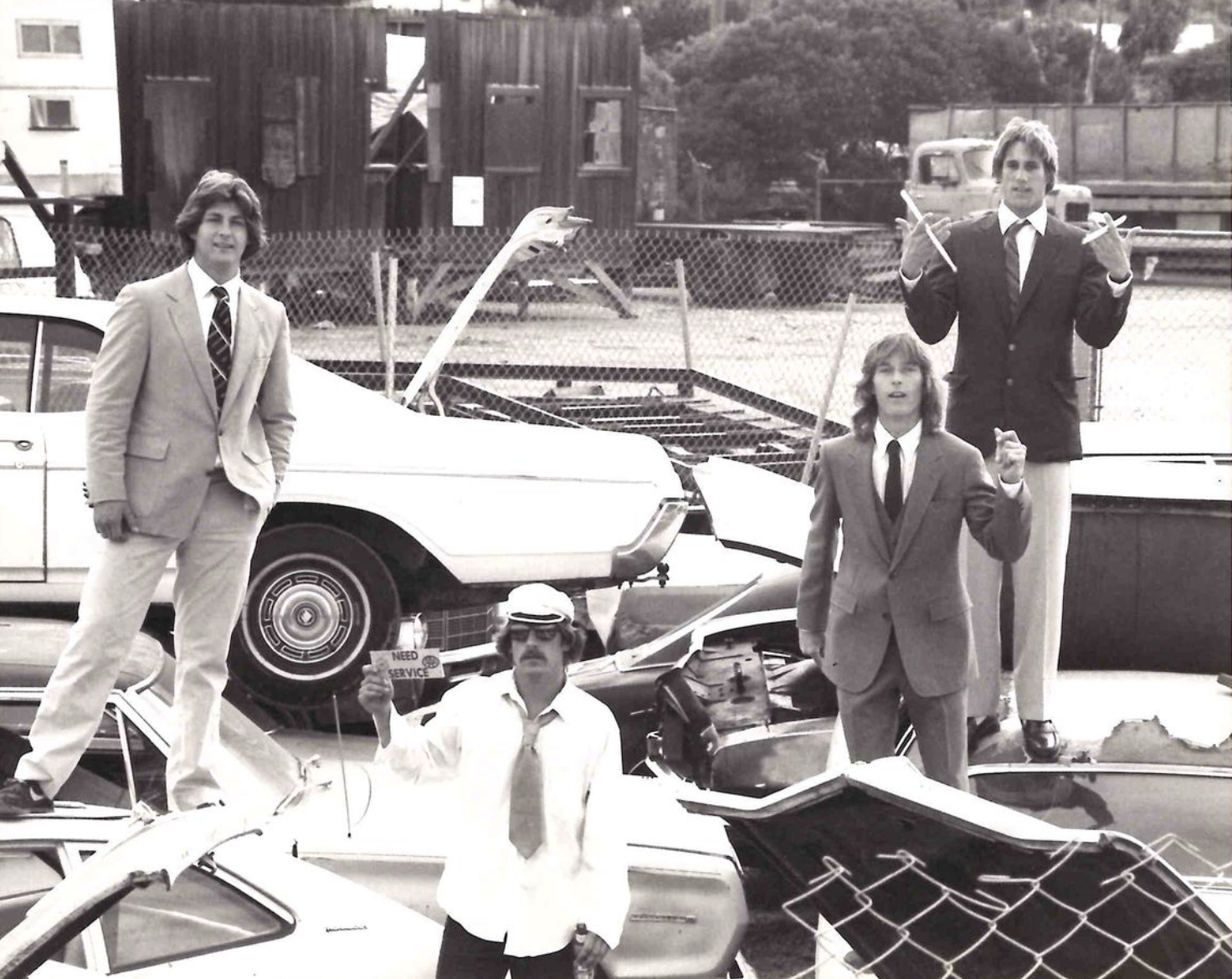
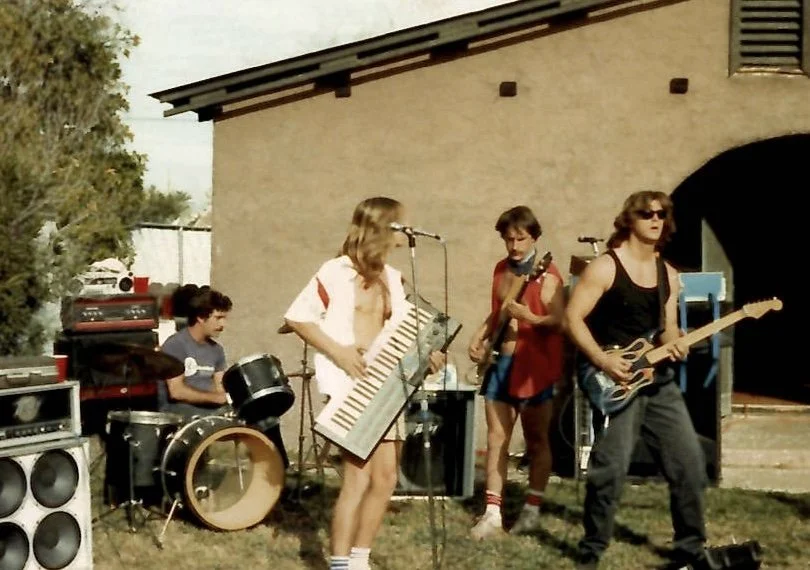
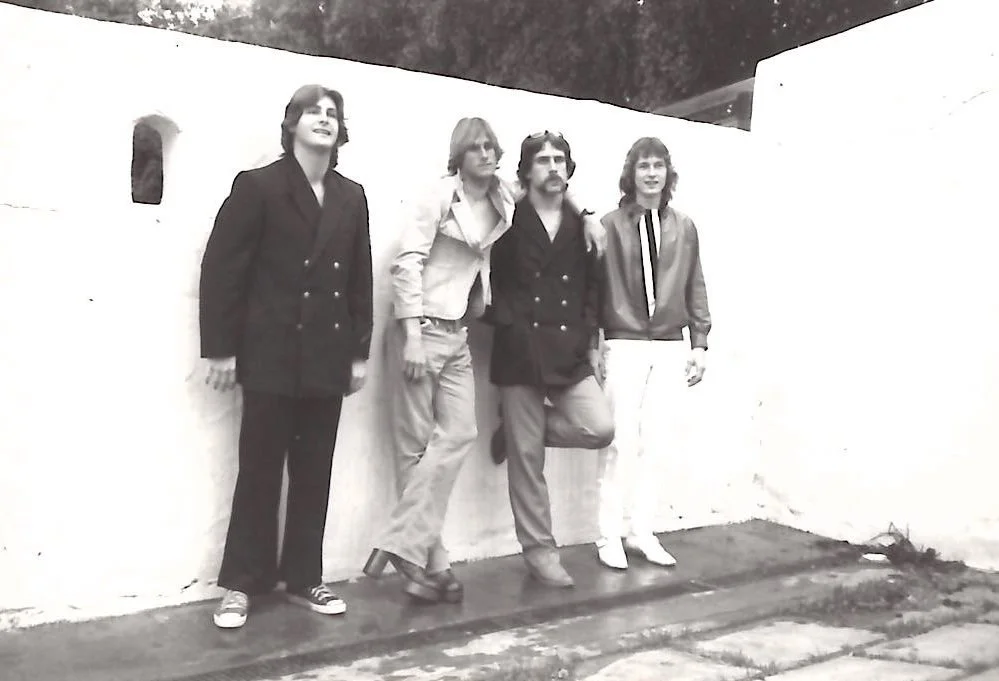
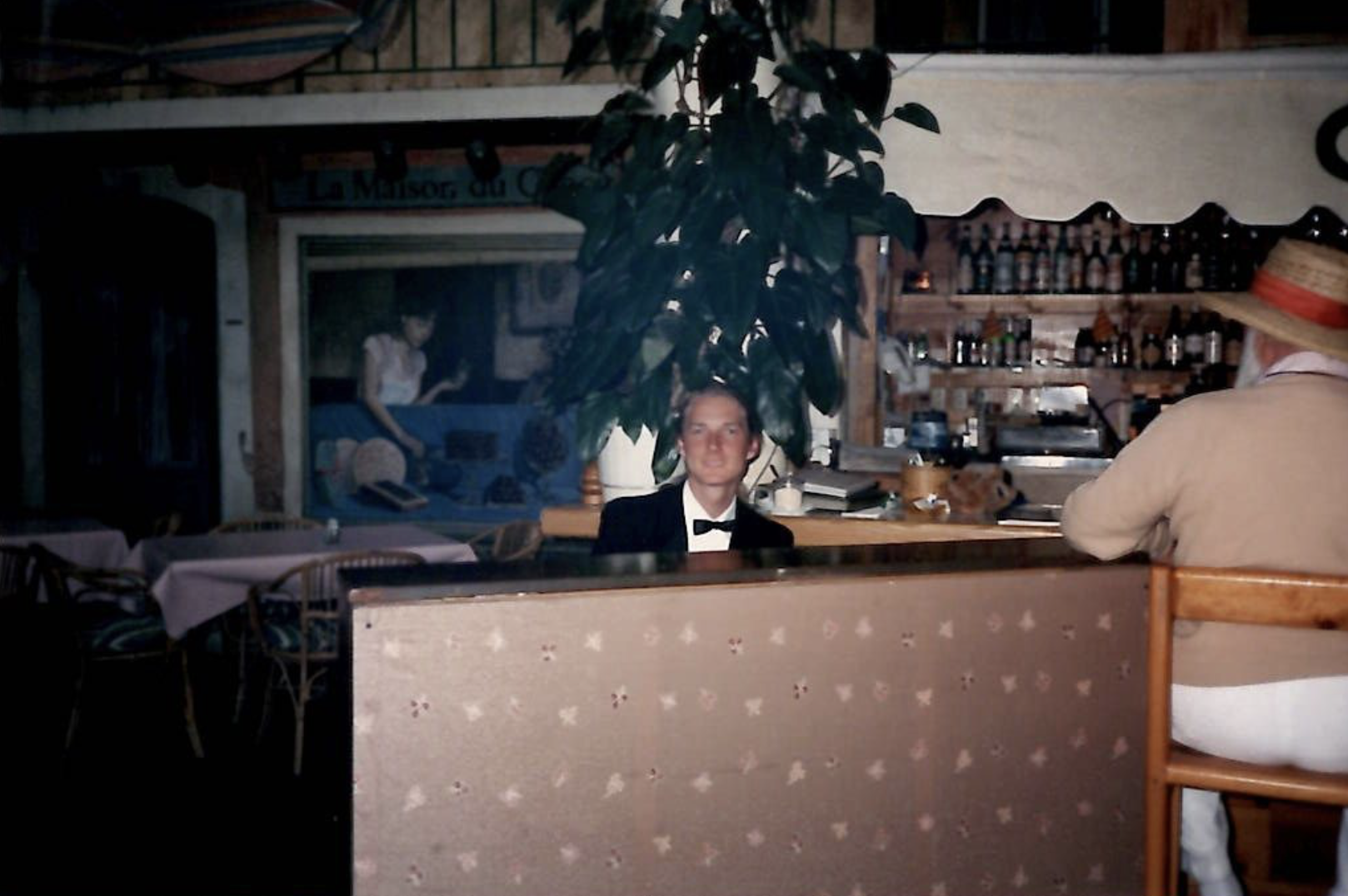
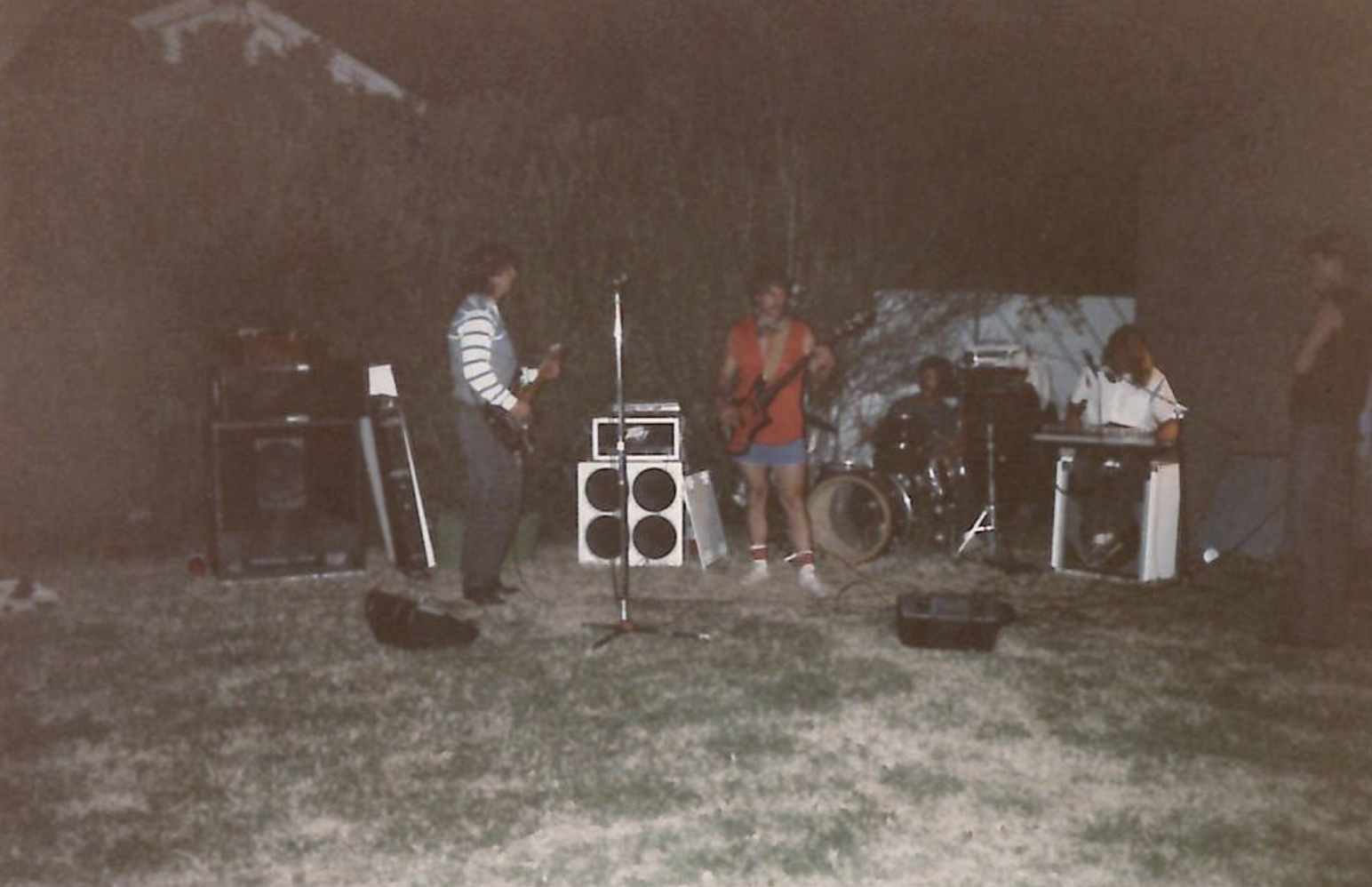
In the 1980s, Patrick balanced classical training with rock stages across California, performing in bands with his brother Rick and winning Battle of the Bands at Gazzarri’s on the Sunset Strip. He later moved to Los Angeles, where his piano became the soundtrack for luxury hotels, four-star restaurants, private events, and fashion shows — often in rooms filled with notable artists and public figures.

A move for inspiration took him to the Monterey Peninsula, where he secured a residency at Quail Lodge. Soon after, he was offered a residency in Palm Springs at the world-famous Maxine De Paris. In April 1990, on his way to perform, Patrick survived a catastrophic head-on collision caused by a drunk driver. Recovery took over a year, requiring relentless rehabilitation and resolve — and he returned to the instrument anyway.

Back in Santa Barbara, he rebuilt through teaching and residencies, and in 1992 co-founded Smoke N Burn. Their debut recording, Legalize, was among the early digital projects using Tascam DA-88 machines. In the years that followed, Patrick focused on teaching and performing locally, quietly shaping students while continuing to record and create when inspiration called.

Over time, his curiosity for how people learn music led him to develop Letter Music™ (formerly EZ Muzik) — a simplified, patented approach to reading and interpreting written music, created to make music literacy feel welcoming rather than intimidating.

Today, Patrick’s work is both a living practice and a living archive: performances, recordings, ideas, and stories gathered across decades — shaped by classical roots, California spirit, and the simple decision to keep playing.

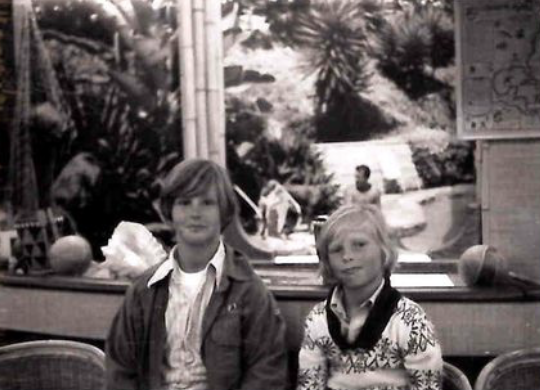
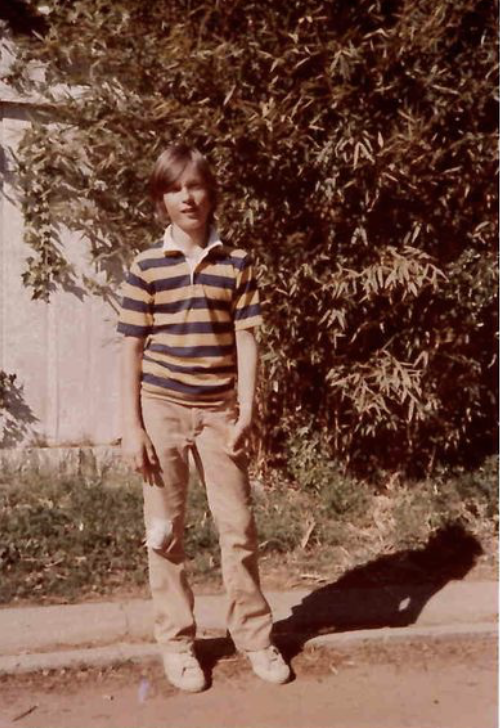
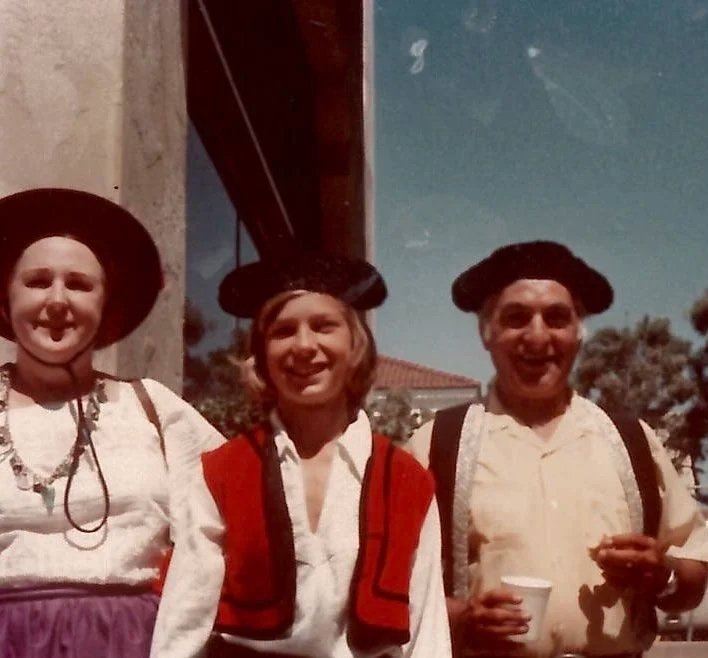
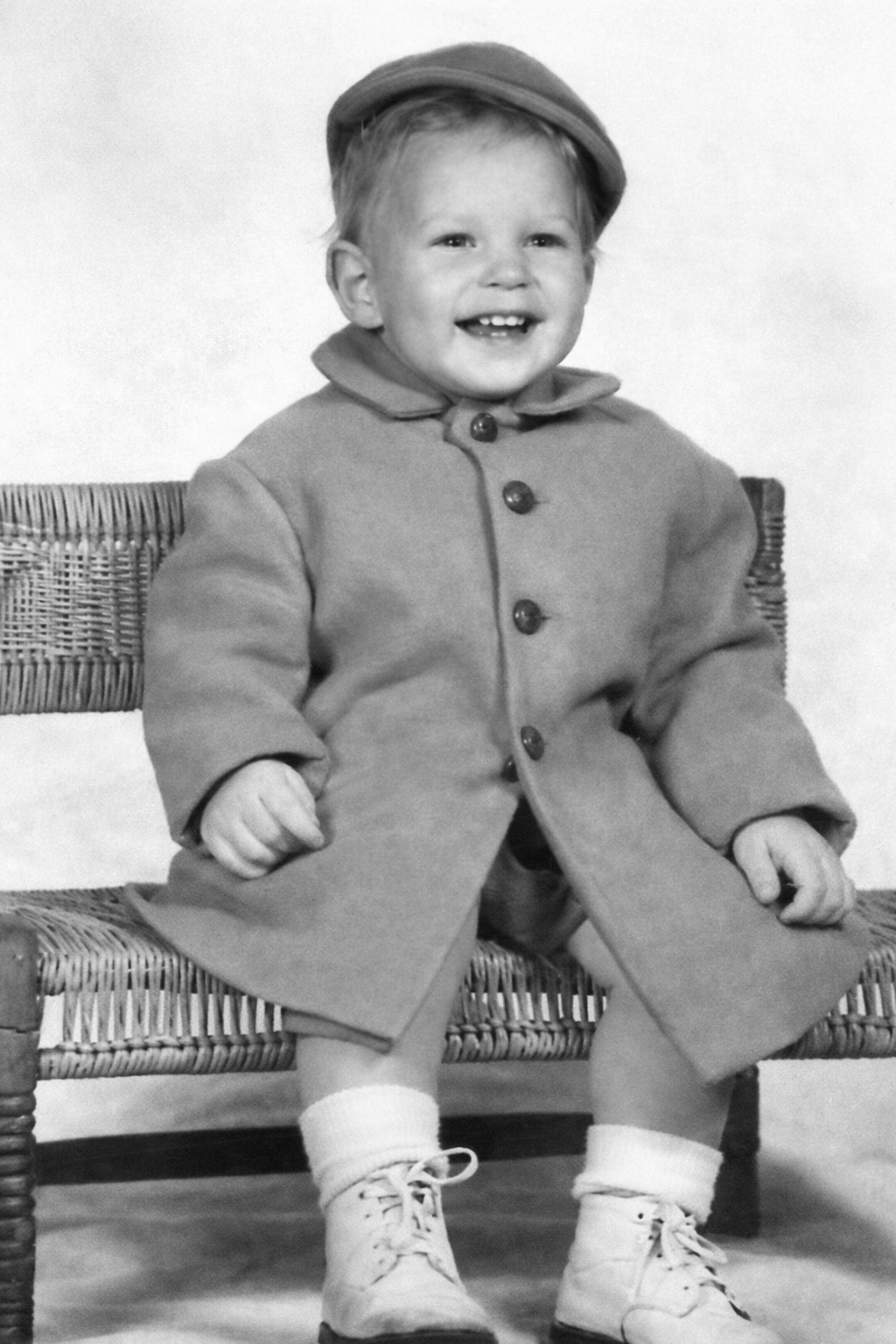
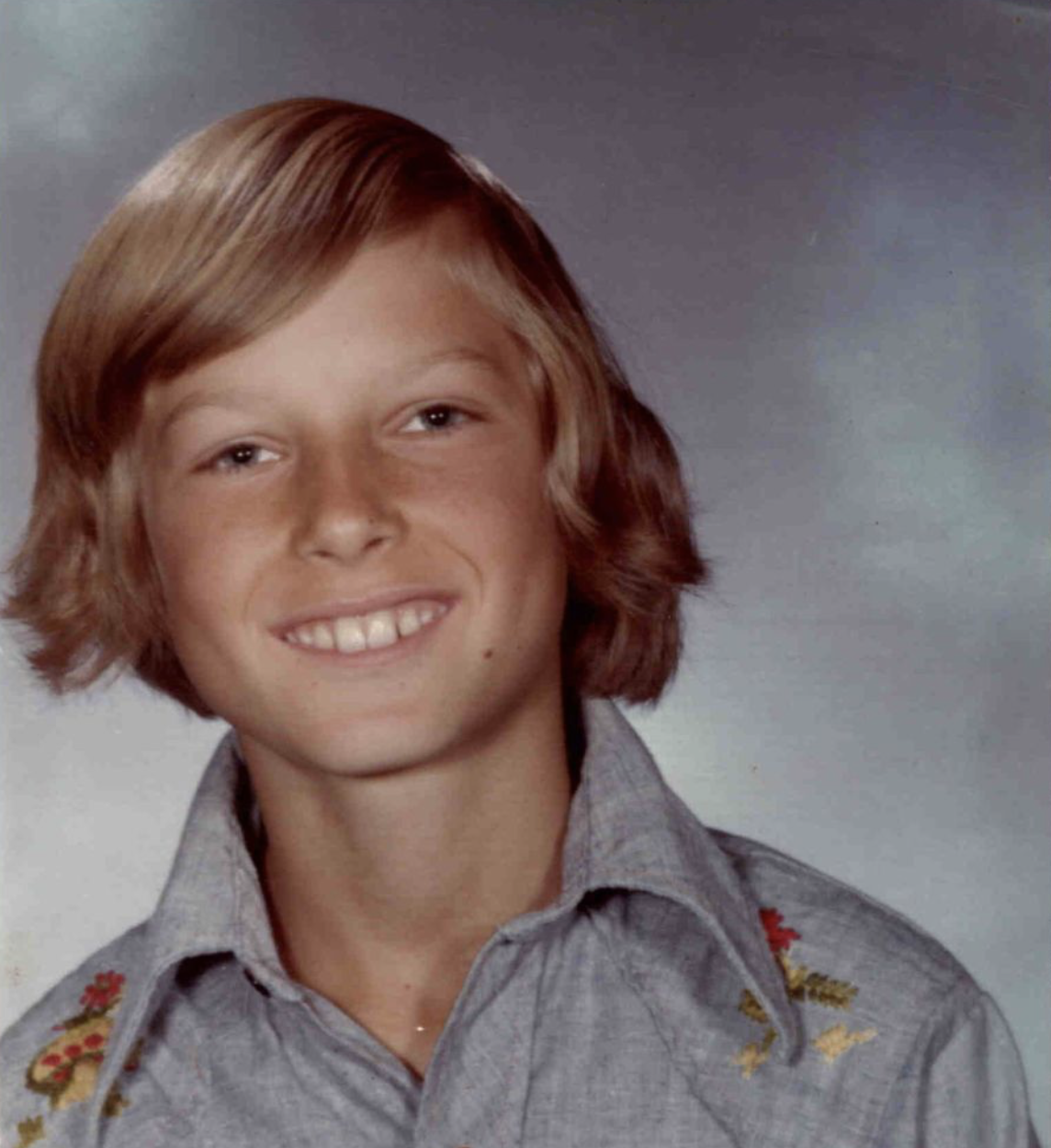
1970 - 1979

Montecito Childhood

The 1970s capture Patrick growing up in Montecito, surrounded by surf, skate, and a musical family where his father’s opera filled the house.
Smoke n Burn Years
1980 - 1989

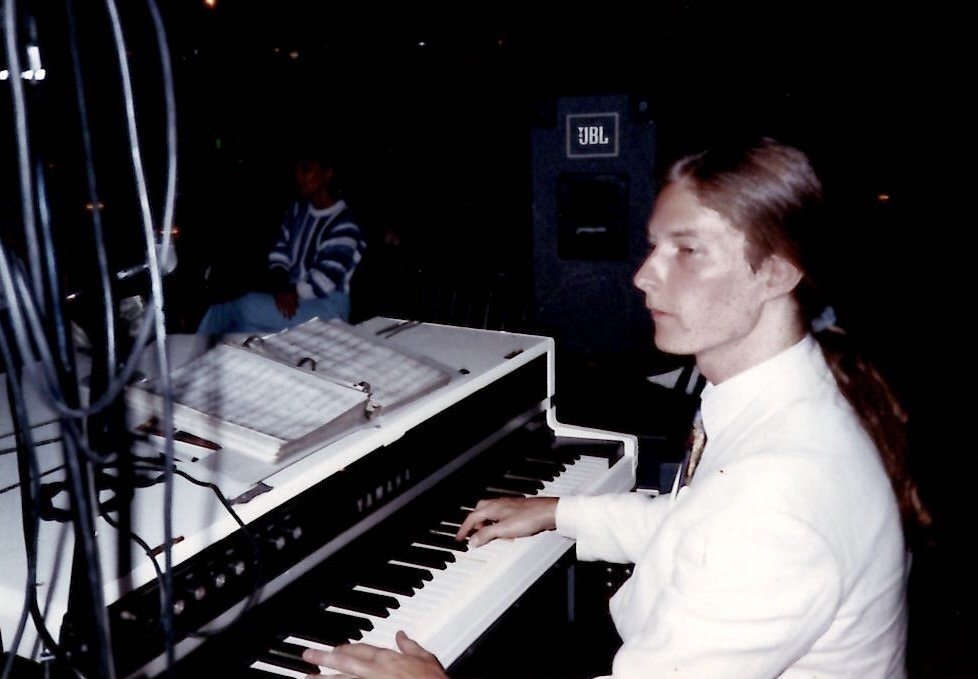
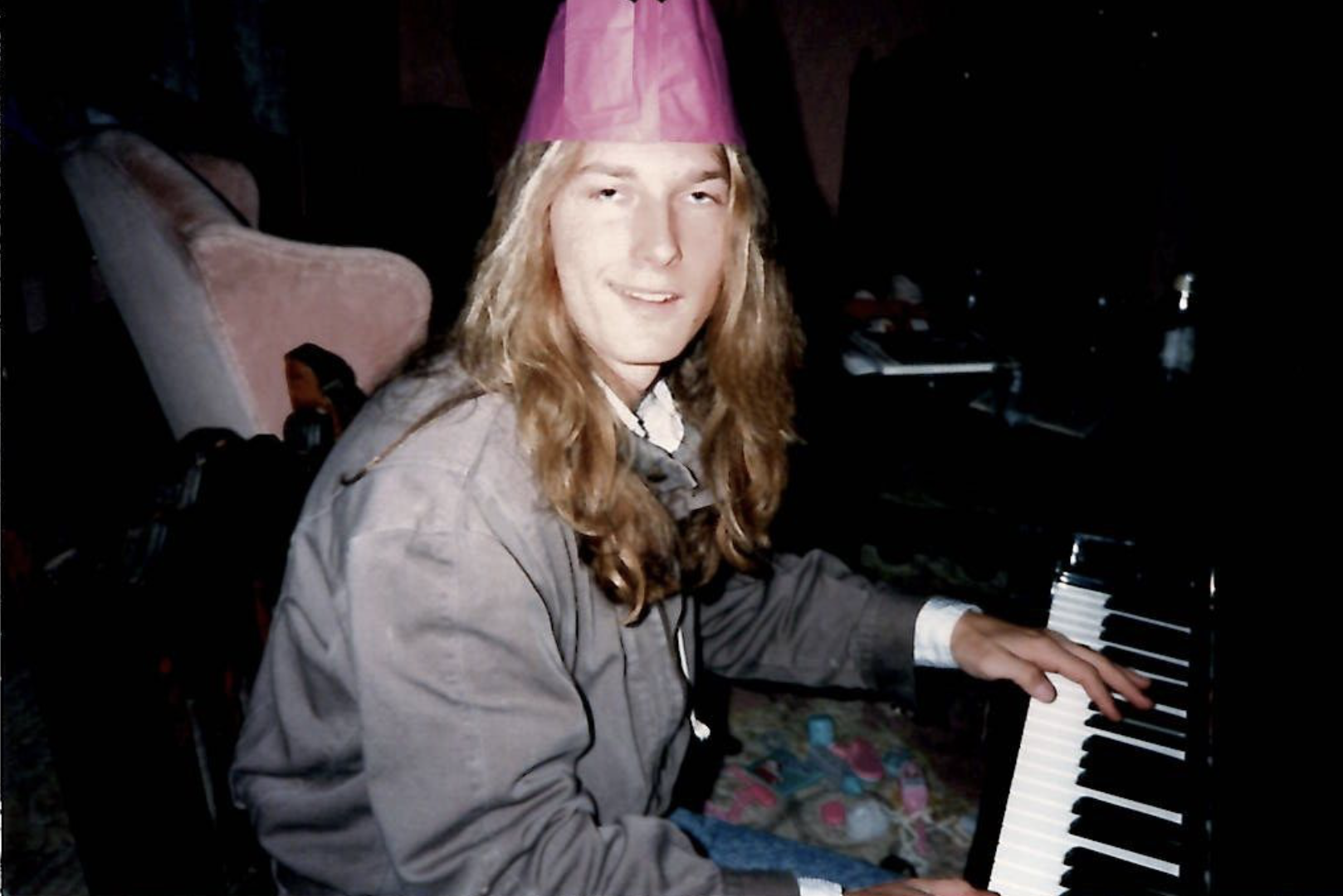
Voilà’s Decade

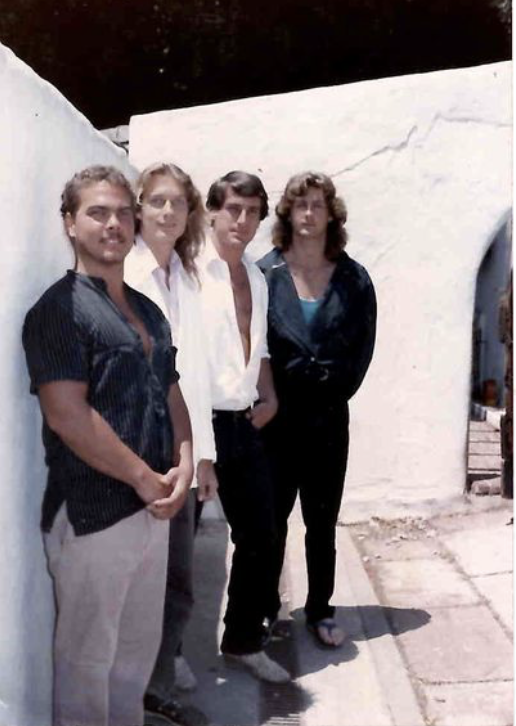
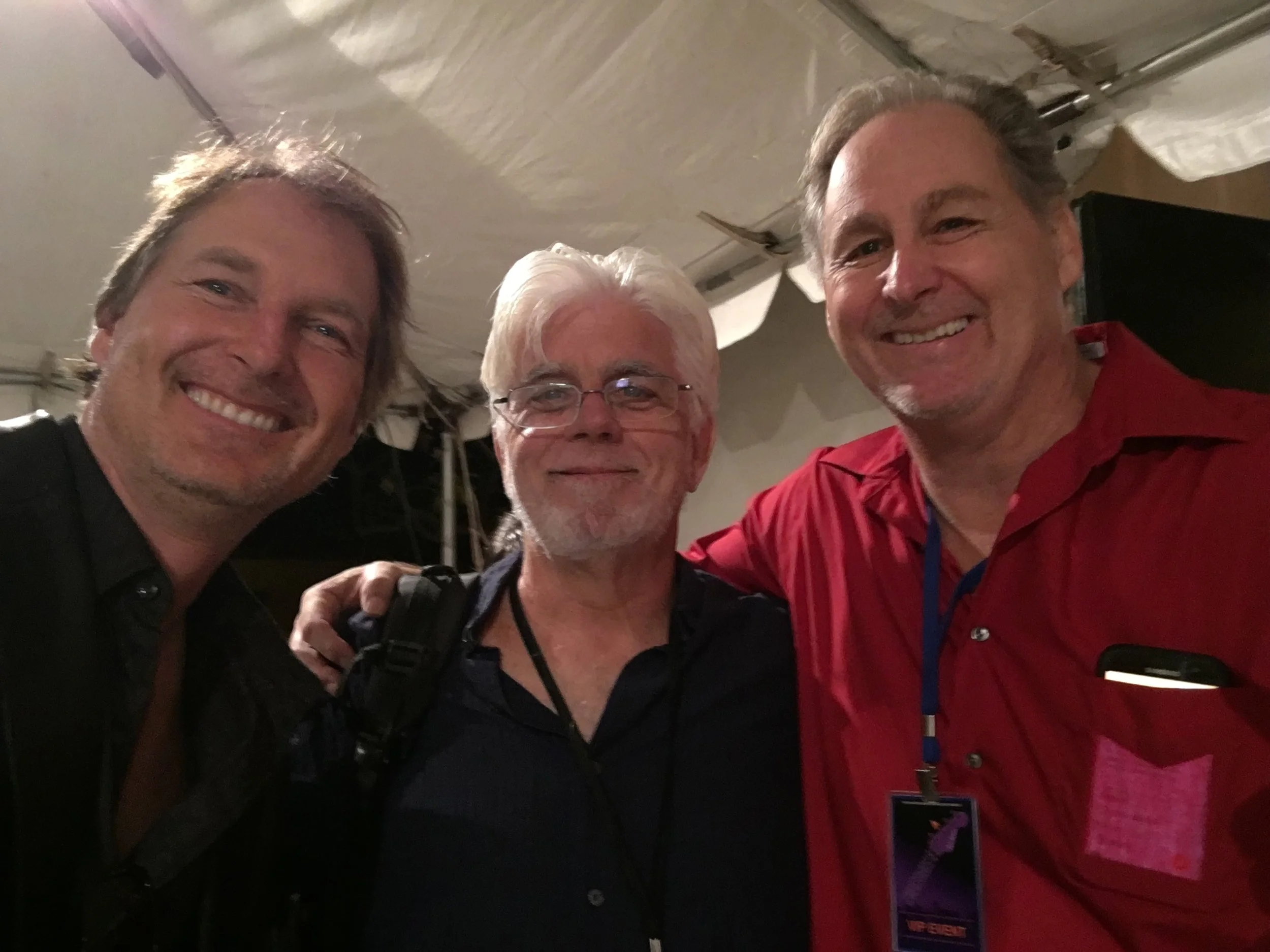
The 1980s find Patrick focused on his band Voilà, while also playing solo piano in hotels from Carmel to Palm Springs and backing stars like Etta James with Smoke N’ Burn.
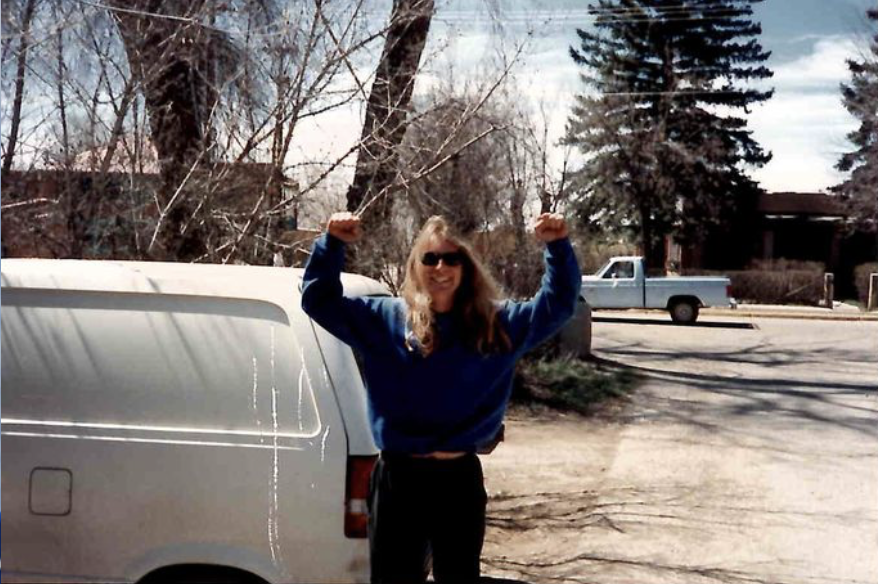
1990 - 1999

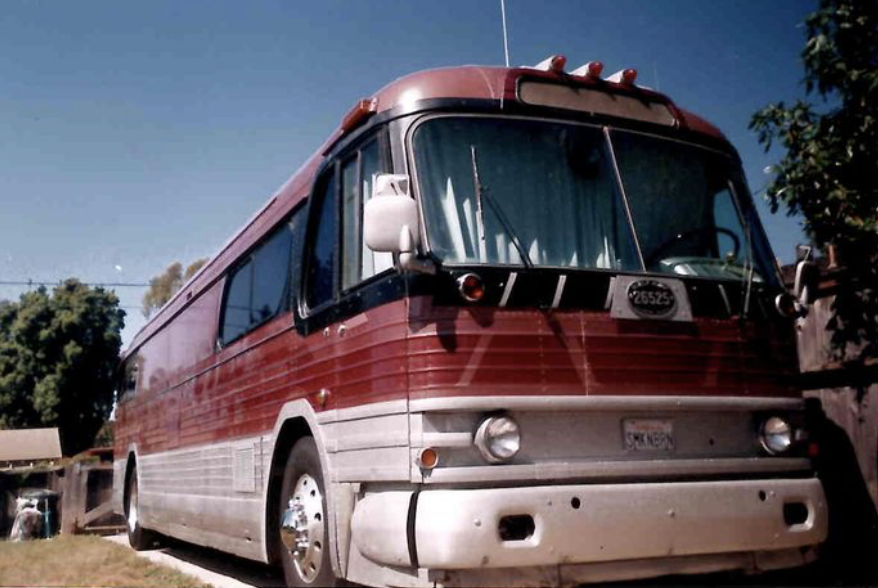
The 1990s find Patrick super charged with his band Smoke N Burn, formed with his brother Rick, touring hard and living the wild, high‑energy life of a rising act.
2000-2009

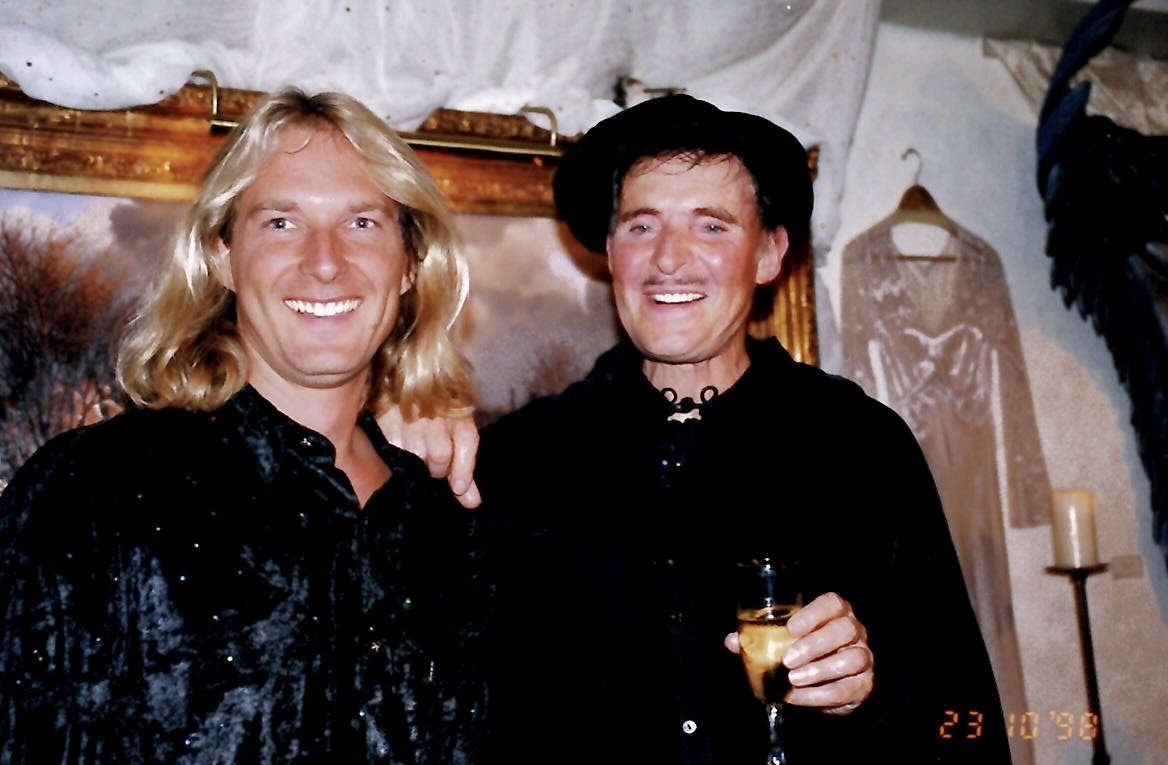
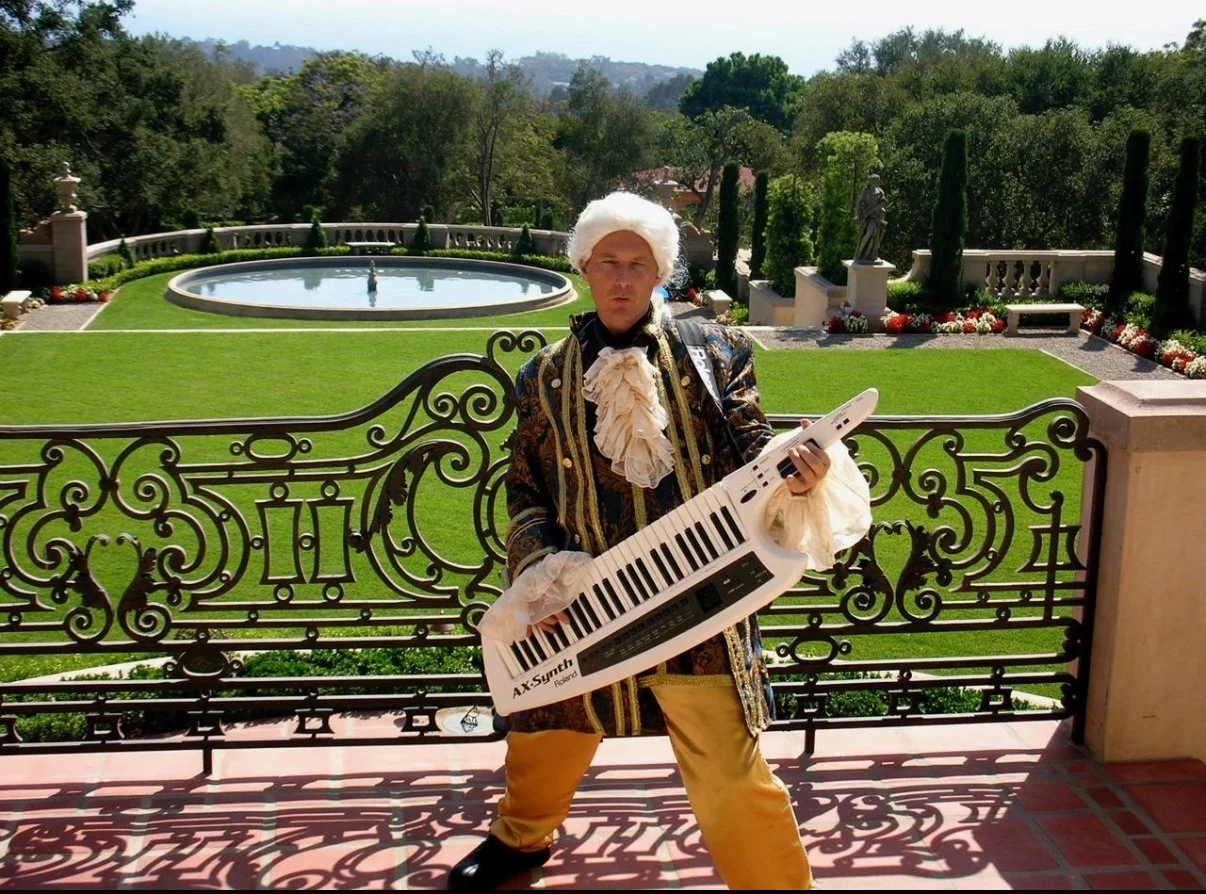
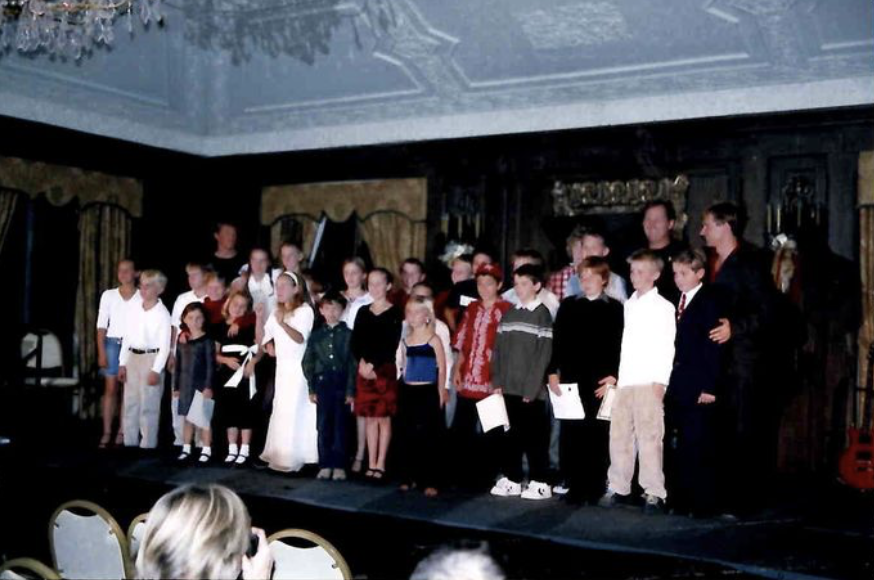
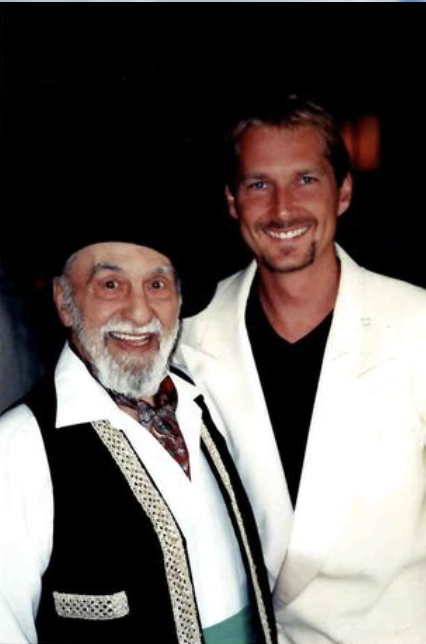
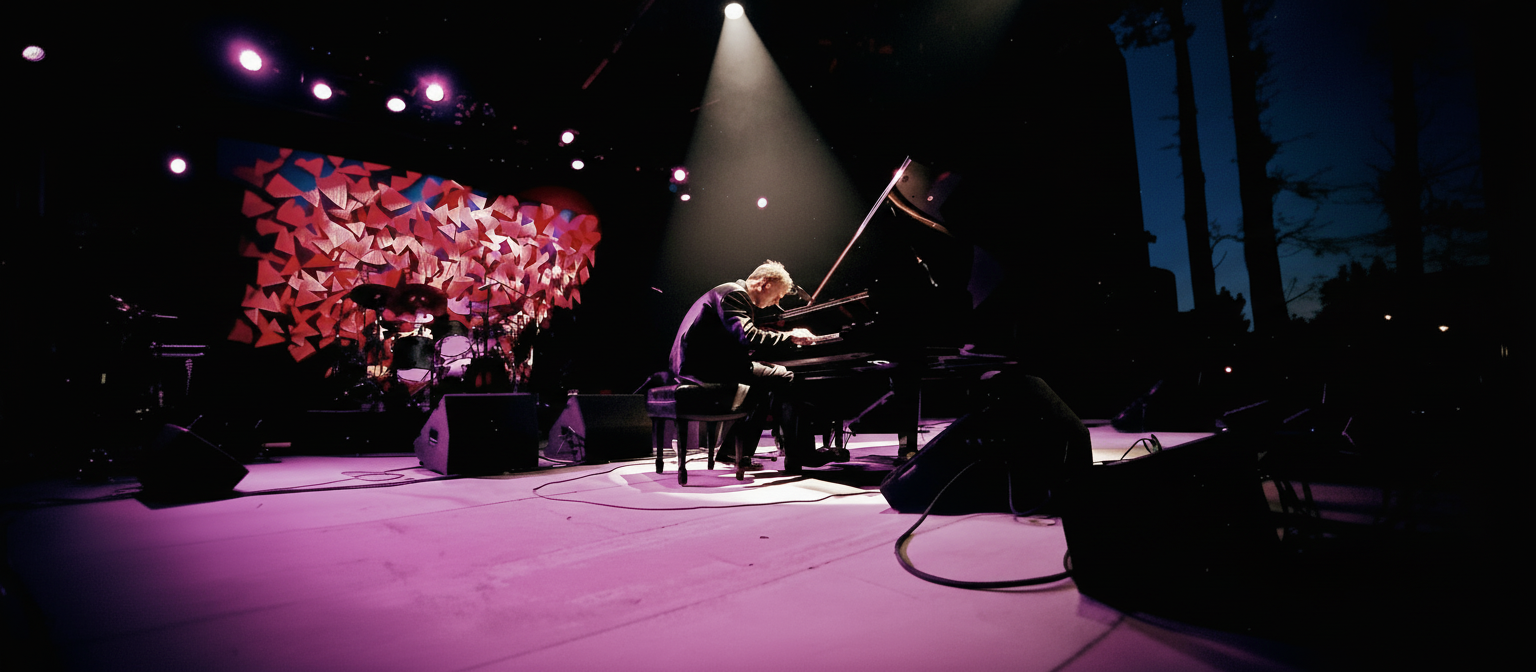
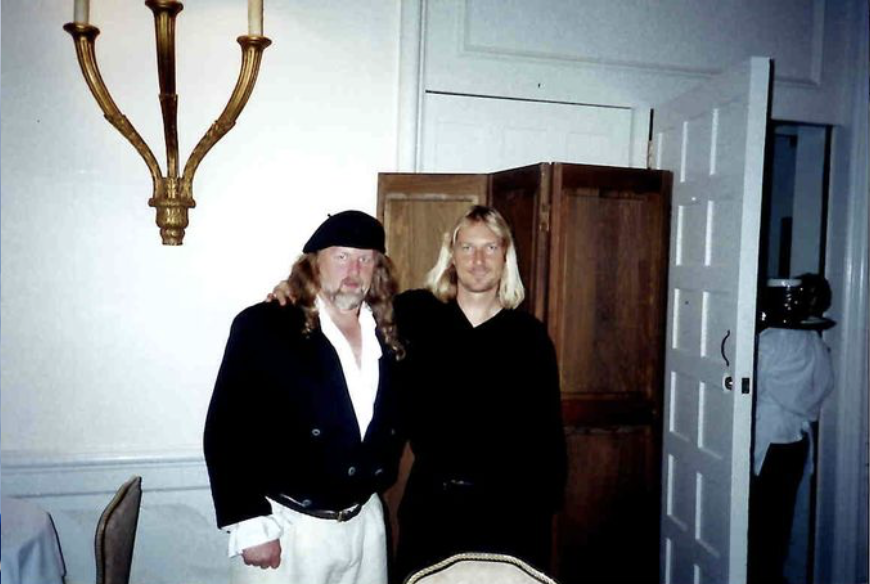
The 2000s see Patrick deepening collaborations in music and brand projects, inventing a new method of reading music and earning a patent and trademark for his innovation.
Creative Breakthrough
2010-2015

Art and Ideas
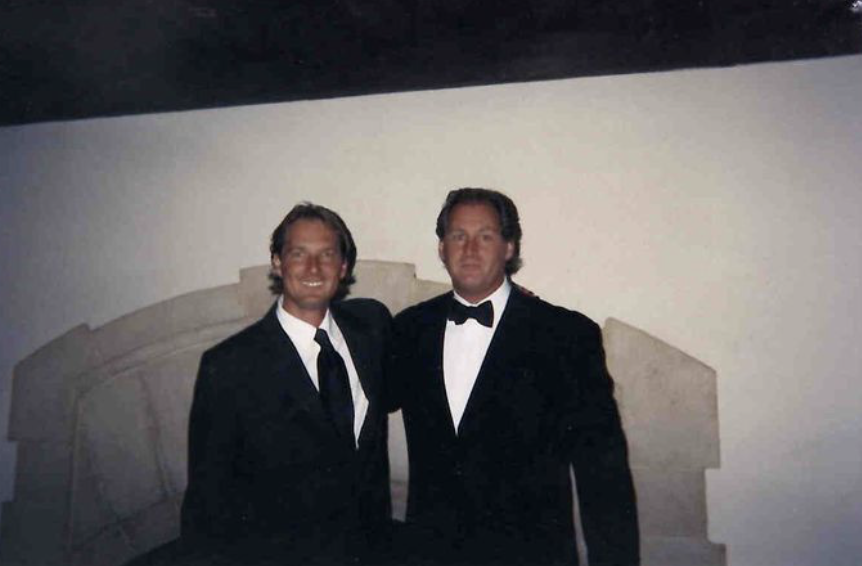
The early 2010s find Patrick inventing the SkaterDude concept in 2010 and launching the Maiani Gallery in Montecito with his brothers, blending art, culture, and early brand ideas.
2016-2025

Life in Motion

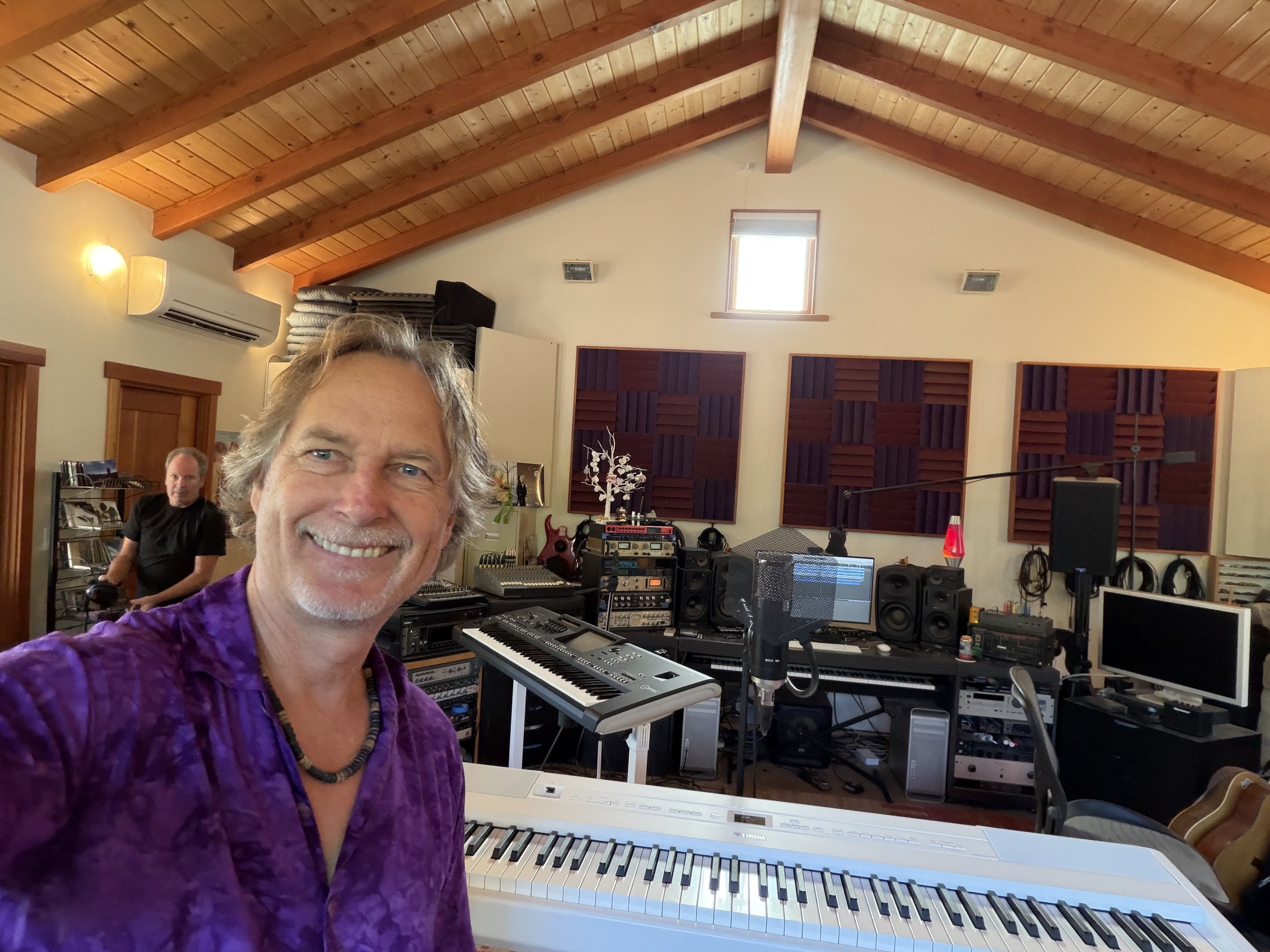
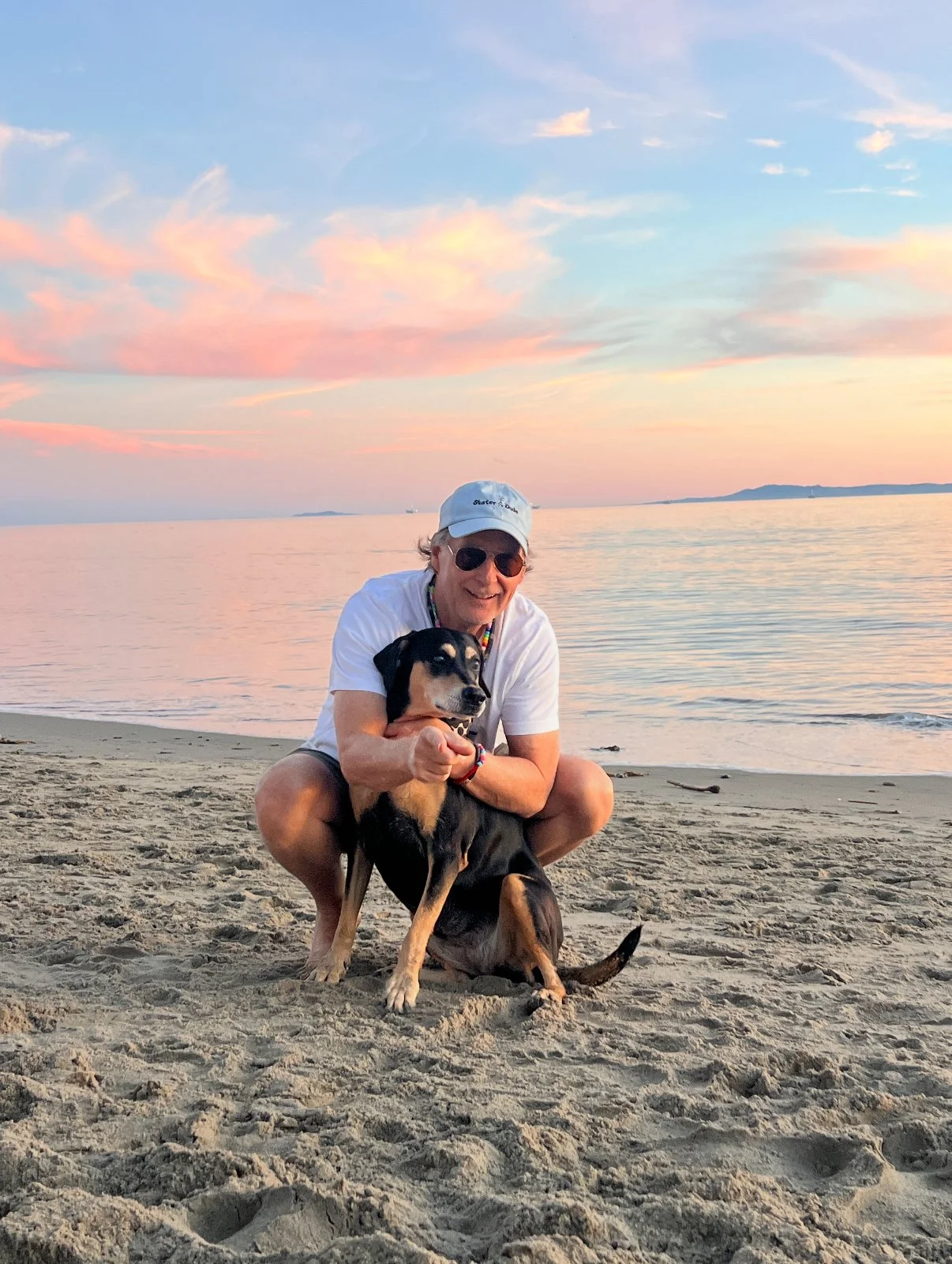
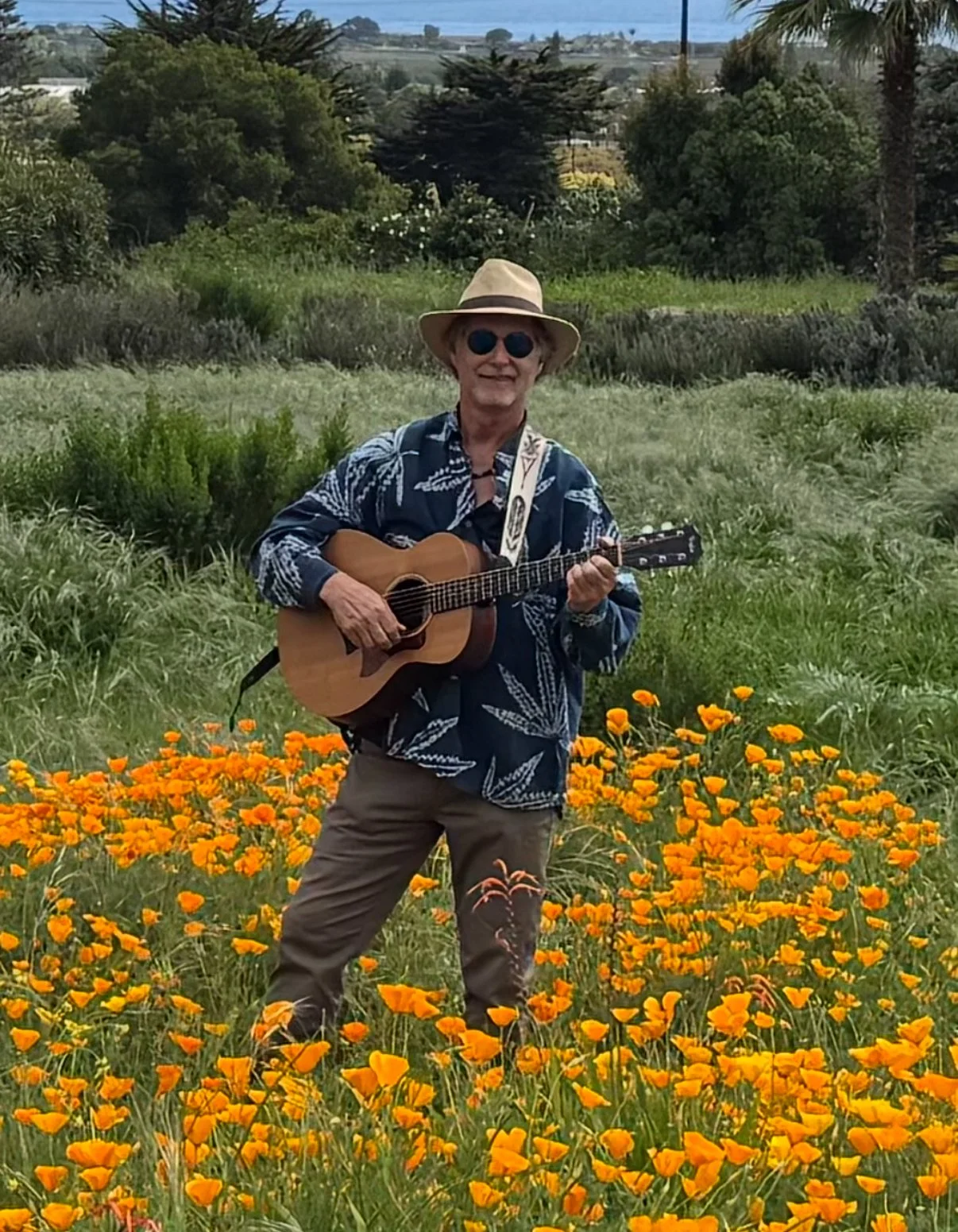
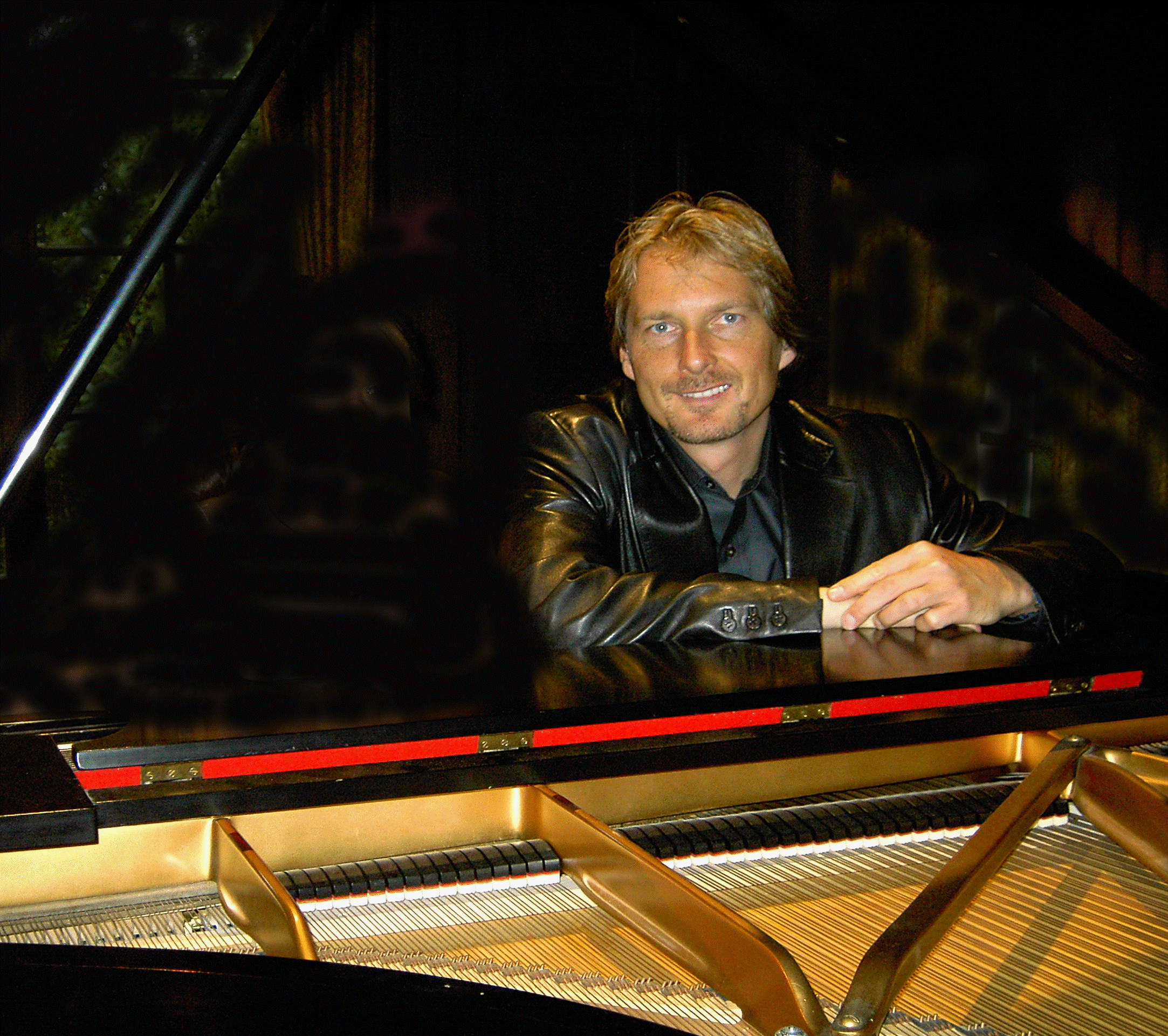
From 2016 onward these photos follow Patrick in full stride as a devoted father, raising two beautiful daughters with his loyal dog Hopi by his side, while expanding his businesses, spending more time creating music in the studio, and beginning to brand SkaterDude as he flourishes creatively like never before.